Life Skills Training for Young Female Apprentices

In today's rapidly changing world, young female apprentices face unique challenges as they enter the workforce. While technical skills are essential, life skills training is equally crucial for personal and professional development. This blog post explores the importance of life skills training for young female apprentices, the specific skills they need, and practical strategies for implementing effective training programs.
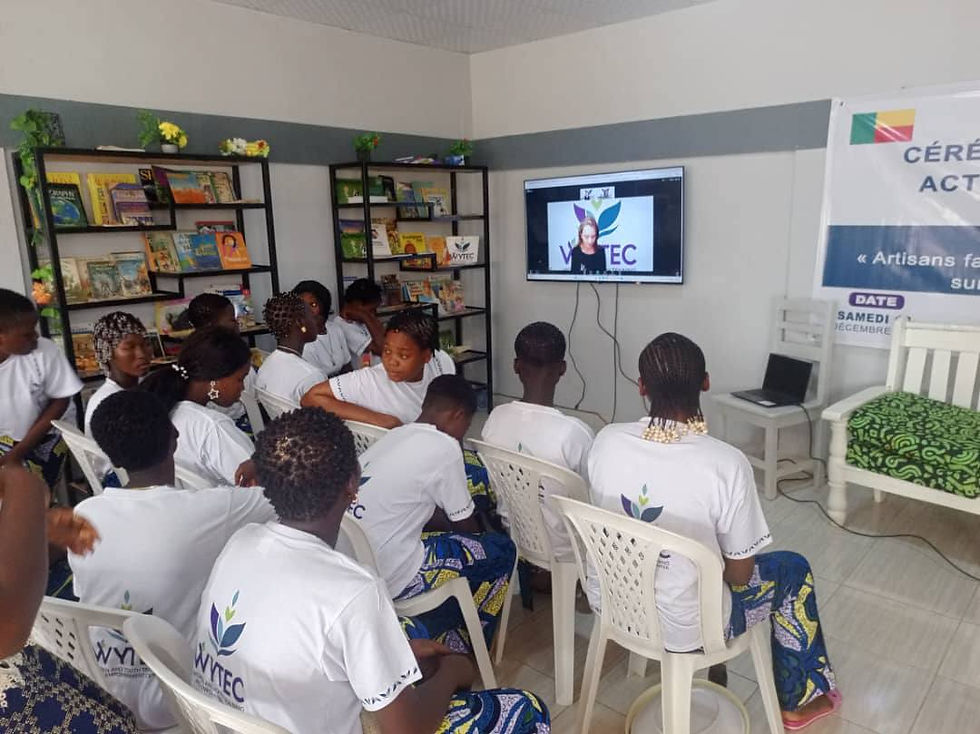
Life skills are the abilities that enable individuals to deal effectively with the demands and challenges of everyday life. For young female apprentices, these skills can significantly impact their success in the workplace and beyond. Life skills encompass a wide range of competencies, including:
Communication Skills: The ability to express thoughts clearly and listen actively.
Problem-Solving Skills: The capacity to analyze situations and develop effective solutions.
Time Management: The skill of organizing and prioritizing tasks to meet deadlines.
Teamwork: The ability to work collaboratively with others towards a common goal.
Adaptability: The readiness to adjust to new situations and challenges.
Why Life Skills Matter for Young Female Apprentices
Building Confidence: Life skills training helps young women develop self-assurance in their abilities, which is vital in male-dominated fields.
Enhancing Employability: Employers increasingly seek candidates with strong interpersonal and problem-solving skills. Life skills training can set apprentices apart in the job market.
Fostering Independence: Learning life skills empowers young women to make informed decisions and take charge of their careers.
Creating Support Networks: Training programs often encourage collaboration, helping apprentices build relationships that can support them throughout their careers.
Key Life Skills for Young Female Apprentices
Communication Skills
Effective communication is essential in any workplace. Young female apprentices should focus on:
Verbal Communication: Practicing clear and concise speech, as well as active listening.
Non-Verbal Communication: Understanding body language and facial expressions to enhance interactions.
Written Communication: Developing skills in writing emails, reports, and other professional documents.
Problem-Solving Skills
Problem-solving is a critical skill that can be developed through:
Critical Thinking Exercises: Engaging in activities that require analysis and evaluation of information.
Real-World Scenarios: Practicing problem-solving in simulated workplace situations to build confidence.
Time Management
Time management is crucial for balancing work and personal life. Young female apprentices can improve their time management skills by:
Setting Goals: Learning to set SMART (Specific, Measurable, Achievable, Relevant, Time-bound) goals.
Prioritizing Tasks: Using tools like to-do lists and calendars to manage responsibilities effectively.
Teamwork
Collaboration is a key component of many jobs. To enhance teamwork skills, apprentices should:
Participate in Group Projects: Engaging in team-based activities to learn how to work with diverse personalities.
Practice Conflict Resolution: Learning strategies to address and resolve conflicts constructively.
Adaptability
In a constantly changing work environment, adaptability is vital. Young female apprentices can develop this skill by:
Embracing Change: Learning to view change as an opportunity for growth rather than a setback.
Seeking Feedback: Being open to constructive criticism and using it to improve performance.
Implementing Life Skills Training Programs
Creating a Curriculum
To effectively teach life skills, organizations should develop a structured curriculum that includes:
Workshops: Interactive sessions focusing on specific skills, such as communication and problem-solving.
Mentorship Programs: Pairing apprentices with experienced professionals who can provide guidance and support.
Role-Playing Activities: Simulating real-life scenarios to practice skills in a safe environment.
Engaging Trainers
Selecting the right trainers is crucial for the success of life skills training programs. Trainers should:
Be Experienced: Have a background in teaching or coaching life skills.
Be Relatable: Connect with young female apprentices and understand their unique challenges.
Encourage Participation: Foster an inclusive environment where apprentices feel comfortable sharing their experiences.
Measuring Success
To evaluate the effectiveness of life skills training programs, organizations should:
Gather Feedback: Conduct surveys and interviews with participants to assess their learning experiences.
Track Progress: Monitor apprentices' development in both life skills and technical competencies over time.
Adjust Programs: Use feedback and data to refine and improve training offerings continuously.
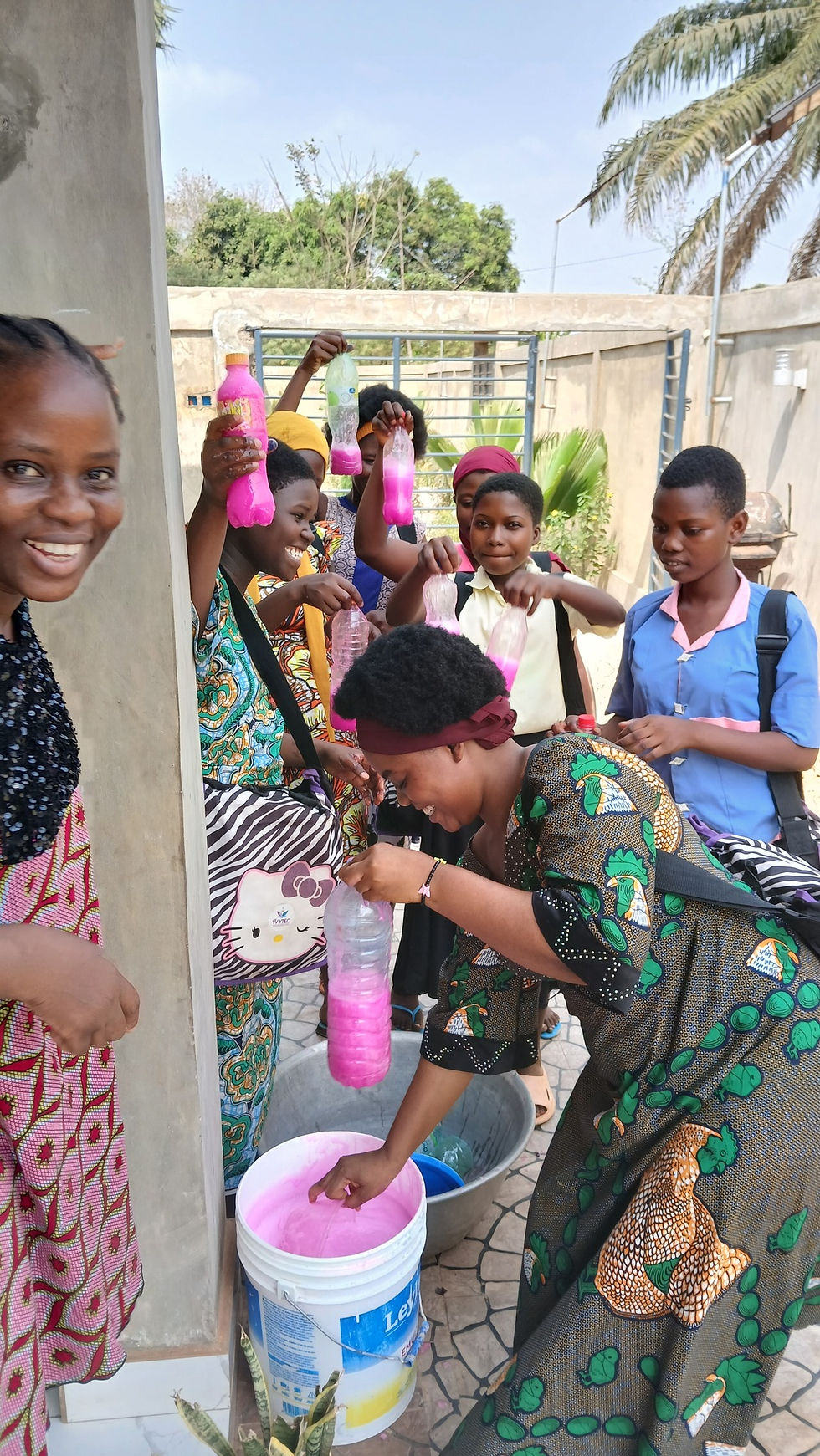
Young female apprentices participating in a life skills workshop. Understanding Life Skills
Conclusion
Life skills training is essential for young female apprentices as they navigate the complexities of the workforce. By focusing on communication, problem-solving, time management, teamwork, and adaptability, these programs empower young women to succeed in their careers. Organizations that invest in life skills training not only enhance the employability of their apprentices but also contribute to a more inclusive and supportive work environment.
As we move forward, it is crucial to prioritize life skills training for young female apprentices. By doing so, we can help them build the confidence and competencies they need to thrive in their chosen fields. If you are involved in apprenticeship programs, consider implementing life skills training to support the next generation of female leaders.

Comments